
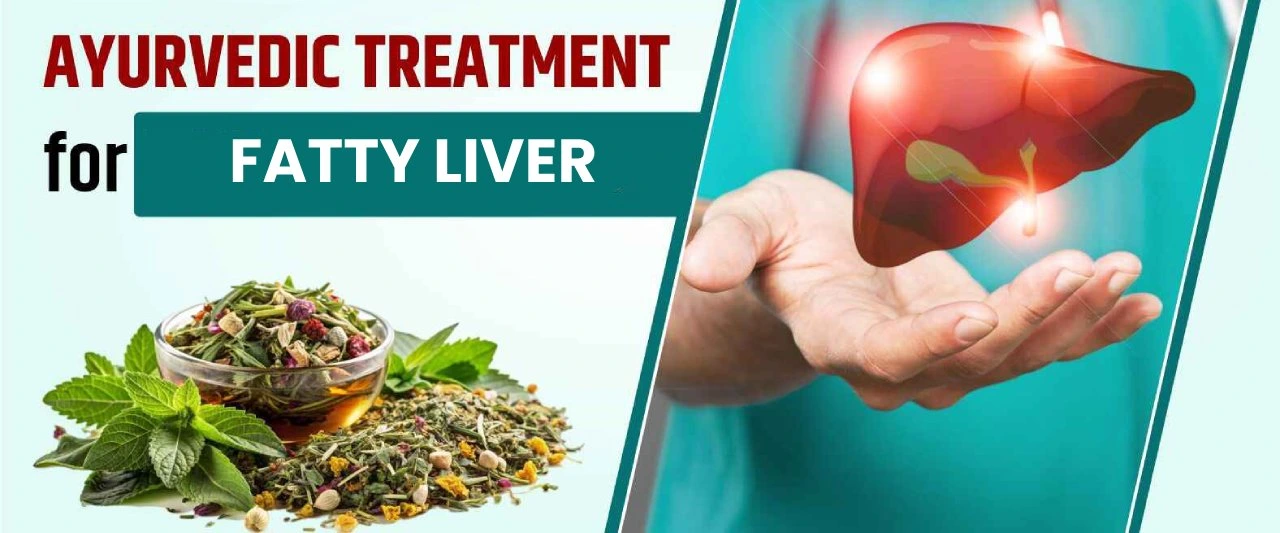
Fatty Liver : Modern life has become fast, stressful, and heavily dependent on unhealthy food habits. Because of this, one disease is spreading quietly and damaging the body from within — Fatty Liver. Most people do not feel any pain or serious symptoms in the early stages, so the condition often goes unnoticed. By the time it is discovered, the liver may already be under stress. The positive side is that fatty liver can be controlled and even reversed if it is identified on time and managed properly.
What Is Fatty Liver?
Fatty liver is a condition in which excess fat starts building up inside liver cells. When fat makes up more than 5 to 10 percent of the liver’s total weight, it is known as fatty liver disease.
In Ayurveda, this condition is described as Yakrit Medoroga, which means excessive accumulation of fat (meda dhatu) in the liver. When digestive fire becomes weak, the body is unable to properly digest fats, leading to their storage in the liver.
Main Causes of Fatty Liver
Fatty liver does not develop overnight. It is usually the result of long-term lifestyle and dietary habits.
- Regular consumption of alcohol
- Obesity and frequent intake of fried, oily, and junk food
- Diabetes and insulin resistance
- Lack of physical activity and prolonged sitting
- Long-term use of certain medications
- Chronic stress and irregular daily routine, which disturb the body’s natural rhythm
Fatty Liver from an Ayurvedic Point of View
According to Ayurveda, fatty liver develops when meda dhatu increases and digestive fire (agni) becomes weak. As digestion slows down, fats are not broken down efficiently and begin to accumulate in the liver.
Overeating, heavy and oily foods, alcohol consumption, and a sedentary lifestyle are considered the main root causes. Ayurvedic treatment focuses on improving digestion, removing toxins, and restoring balance in the body.
Ayurvedic Home Remedies for Fatty Liver
Amla (Indian Gooseberry)
Amla helps detoxify the liver and strengthens digestion.
Take fresh amla juice every morning on an empty stomach.
Turmeric
Turmeric contains curcumin, which helps reduce liver inflammation and supports liver repair.
Drink warm milk with turmeric at night.
Triphala Powder
Triphala cleanses the liver and improves bowel movement.
Take one teaspoon with lukewarm water before bedtime.
Neem and Giloy
Both herbs help remove toxins and support healthy liver function.
Take giloy juice in the morning or chew fresh neem leaves if available.
Papaya
Papaya contains natural enzymes that reduce pressure on the liver.
Eat papaya regularly as part of your breakfast.
Garlic
Garlic contains sulfur compounds that help reduce fat accumulation in the liver.
Consume raw garlic or take it with honey.
Lifestyle Changes That Support Liver Healing
Simple daily habits can make a major difference in liver health. Ayurveda
- Walk briskly for at least 30 minutes every day
- Practice yoga postures such as Bhujangasana, Dhanurasana, and Mandukasana
- Completely avoid alcohol and smoking
- Reduce fried, oily, and packaged foods
- Practice breathing exercises and meditation to manage stress
Diet Tips for a Healthy Liver
- Eat green vegetables, seasonal fruits, and whole grains
- Drink sufficient water throughout the day
- Avoid sugary drinks, cold drinks, and packaged juices
- Include protein-rich foods such as lentils, moong dal, and chickpeas
Conclusion
Fatty liver is often called a silent disease because it progresses slowly without clear warning signs. If ignored, it can develop into serious liver problems. However, with the right diet, Ayurvedic support, and an active lifestyle, fatty liver can be reversed.
Beetroot Health Benefits: Ayurvedic Uses, Nutrition & How to Eat Beetroot
10 Best Ayurvedic Foods for Diabetes Control (Simple & Natural Way)